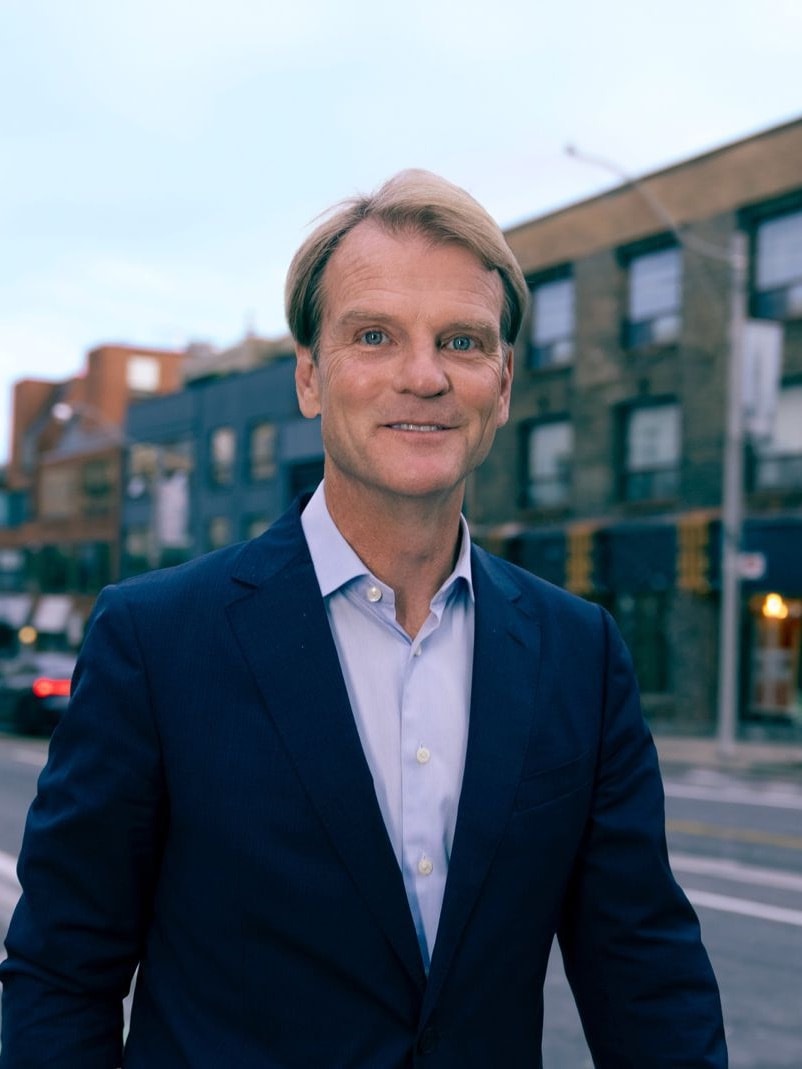
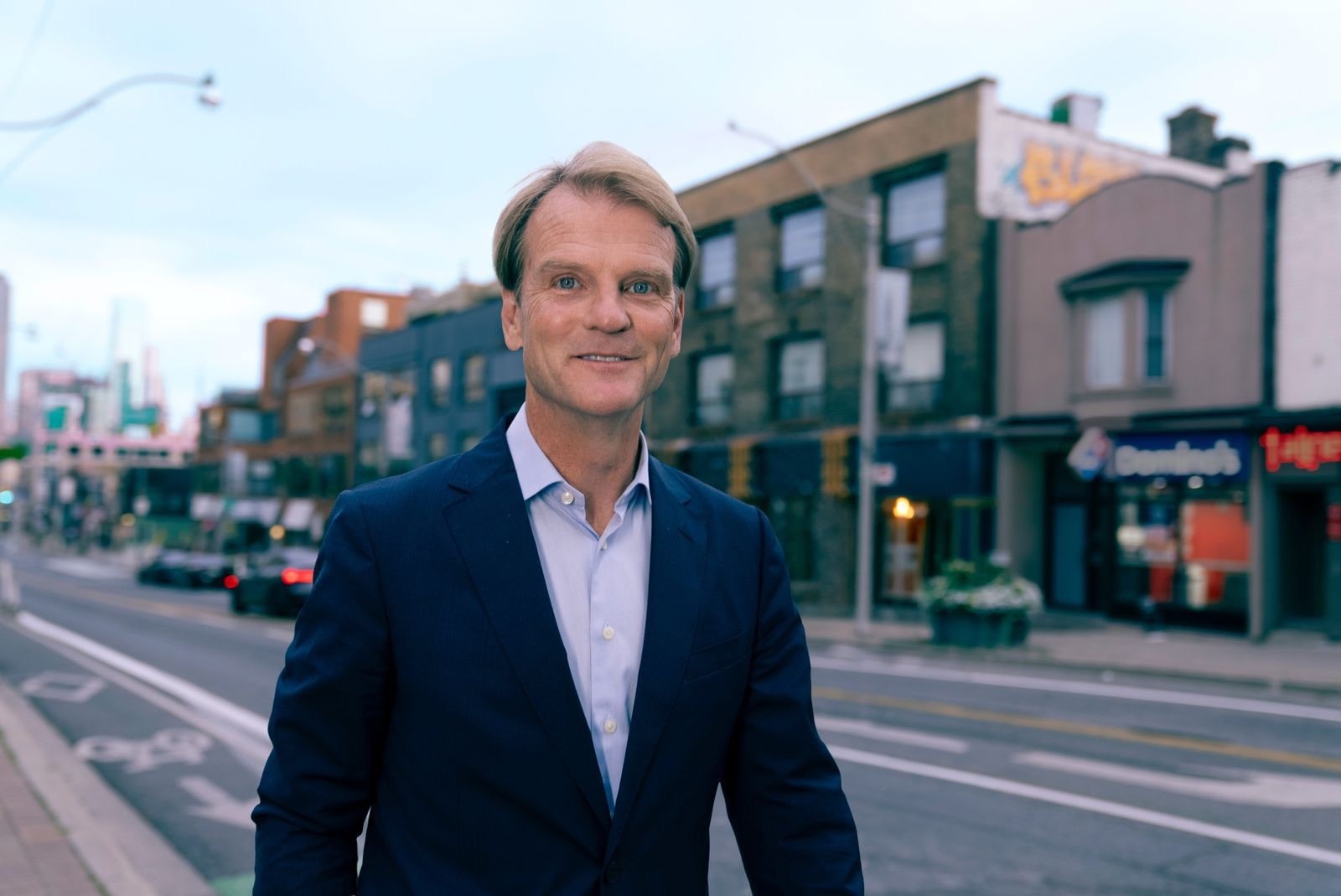
Pledge Your SupportChris for Mayor World-class experience for a world-class city
“I’m running because Toronto has been standing still for three years. A city with this much talent, strength and potential should not be under-performing, and it doesn’t have to be.”
Toronto is in crisis, and City Hall and the incumbents and candidates running for re-election are in denial. We have an incumbent who cheers for the city but has walked away from its hardest problems and given up on fiscal responsibility. And a challenger with eight years on council who ran the housing file, flipped on every major issue, and voted against taxes while backing every spending bill.
This is why Chris stepped into this race.
Please donate. Every dollar goes towards boosting our campaign.
DonateAboutChris
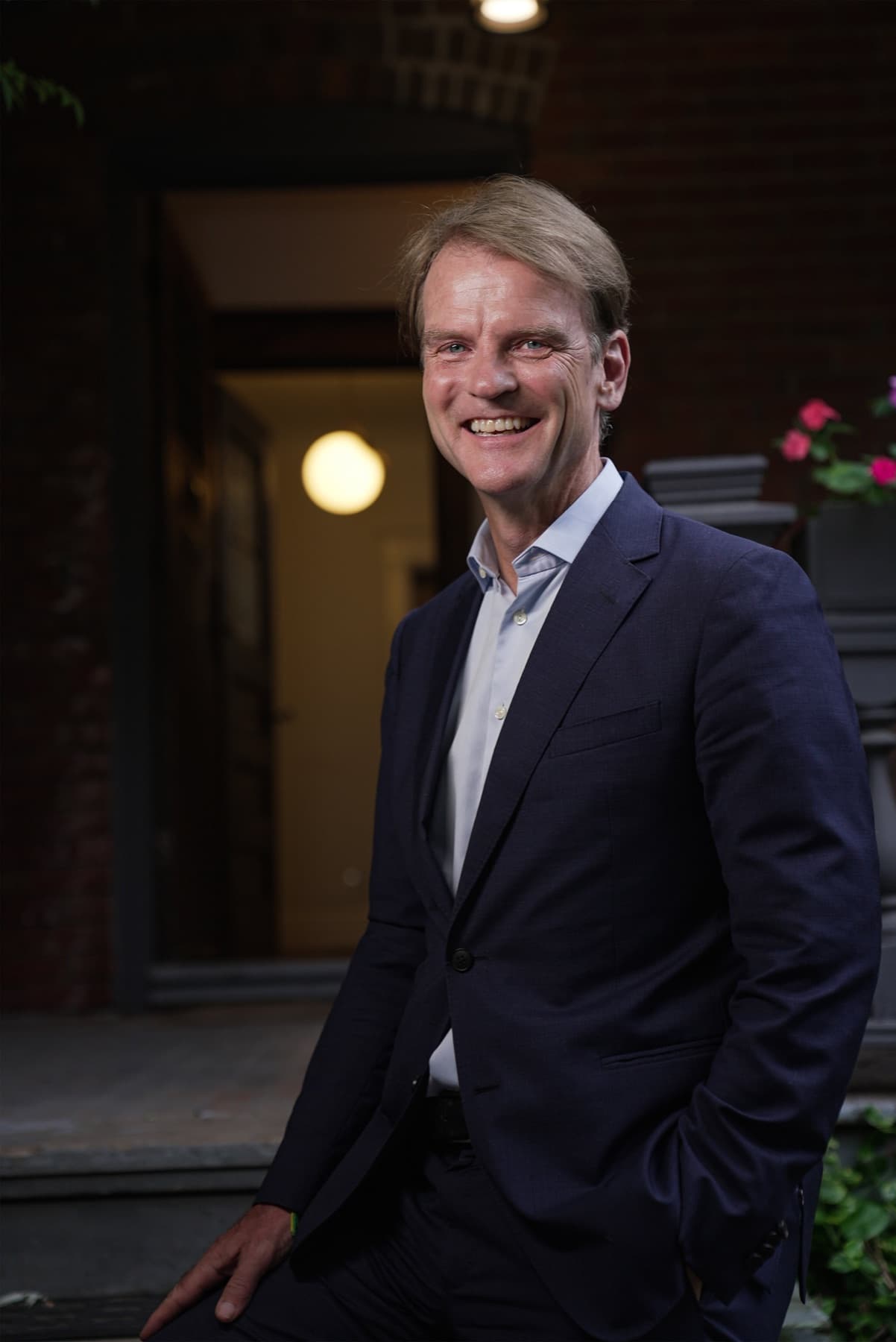
Toronto has lots of qualified candidates for mayor.It’s time for someone overqualified.
Chris Alexander is a proud Torontonian. Born in 1968, Chris was educated at Toronto public schools before attending McGill University and Oxford University. A foreign service officer for eighteen years, he served six years at Canada’s Embassy in Moscow and six years in Afghanistan, including as Canada’s first resident Ambassador to Afghanistan and as the UN Secretary-General’s Deputy Special Representative there. He was the Member of Parliament for Ajax-Pickering from 2011 to 2015 and Minister of Citizenship and Immigration from 2013 to 2015. He is the author of The Long Way Back: Afghanistan’s Quest for Peace. He and his wife Hedvig live in Toronto with their three children.




The Priorities
I’m not for the left. I’m not for the right. I’m for the solutions.
Five key PrioritiesFor Toronto
When I was the Federal Minister of Immigration, I was tasked with modernizing Canada’s immigration.
Everyone said it couldn’t be done, it was too complex, too bureaucratic.
I led the team that cracked it. Express Entry launched on January 1st, 2015. We attracted the world’s best talent: researchers, engineers, entrepreneurs, doctors. It is now the model every major western country uses. And it’s had a positive effect on the lives of 1 in 3 Torontonians.
If I can reform Canadian immigration policies, I can get this economic engine started again.
[ What changes ]
- Adopt the Board of Trade priorities on budgeting, gridlock and zoning as city policy
- Build the research to jobs bridge between hospitals, universities and the financial sector
- Set a startup formation and growth target and report on it quarterly, in public
Toronto loses $140.9 million per year in fare evasion. So our work starts on day one. Real fare enforcement, so the system belongs to the people who are there to ride. Stations kept clean and safe. When ridership rises, so does revenue, bringing down fares for people who need it most.
Next, we address the external factors at play: construction that drags on, signals timed for a city half our size.
Building a better commute doesn’t stop with the TTC. It also involves protected bike lanes. Designed with neighbourhoods rather than against them, and never at the cost of the car commute. Built once, built right.
[ What changes ]
- A monthly transit safety and performance standard measured and published monthly
- A public delay ledger for every transit project showing promised date beside actual date
More than half of this city rents. That’s a majority. City Hall needs to work for renters, too.
And as a former MP and Cabinet Minister, I know how to get stuck systems moving and enact real change.
For our unhoused neighbours, stable housing with supports works better and costs less than shelters. Supports means the real thing: mental health care and substance use treatment attached to the housing, not a referral and a waiting list.
The evidence is in. It’s time to act.
[ What changes ]
- The Toronto Renter Strategy: affordability targets, anti-displacement protection, standards enforcement
- Faster approvals: a clock on every permit, published for every application
- Pathways to ownership for young Torontonians and new Canadians
And yet, potholes sit. Parks go untended, streets uncleaned. Too often, fixes depend on who you know at City Hall.
In Afghanistan I improved governance, and introduced disarmament strategies during Taliban resurgence. I’m confident that as mayor, I can use this experience to help bring safety and order back to Toronto streets.
[ What changes ]
- The basics contract: ward by ward service standards with response time targets, tracked in public
- Parks and public space: a cleanliness and safety standard, measured and published
- Scale up the Toronto Community Crisis Service into a Toronto Community Support Service with a broader mandate to help people in need and support strong neighbourhoods
We will lead like the world-class city we actually are.
[ What changes ]
- The institutions strategy: our hospitals, universities and exchange working as one advantage
- The talent case: make it plain to every young person that their career will move forward here and their sector or industry will thrive here
- Toronto as anchor partner to Ottawa and Queen’s Park on every national strategy
The Current Situation
Toronto works for the people who already have a foothold.It quietly fails everyone else.
The gap between what this city can do and what it is doing shows up in the ordinary numbers: what a home costs, how long a permit takes, how long a bus keeps you waiting.
[ Rent outpaces wages ]
1 in 3
Households spending over 30% of income on rent
[ A permit outlasts the build ]
21 months
Average approval time for a mid-rise building
[ Transit arrives when it feels like it ]
11 min
Average peak wait on a major surface route
[ Recent coverage ]
- CP24Video · August 27, 2026Tariff response must ‘move past the emotion to be really concrete’: AlexanderRead
- The Jerusalem PostArticle · September 15, 2026Toronto mayoral candidate challenges incumbent on handling of antisemitism during debateRead
- Now TorontoArticle · August 4, 2026Chris Alexander pitches housing, transit and economic growth in Toronto mayoral bidRead
- The Toronto StarArticle · 2026Why Toronto mayoral candidate Chris Alexander wants to hike TTC faresRead
Get Involved
Four doors.Pick one.
Our plan gets built by people who live here. Volunteer, knock on doors with us, or just stay close enough to check our work.
How to vote
[ Election day ]
26Oct
Monday · 10:00 AM – 8:00 PM
[ Advance polls ]
6–11Oct
Six days · 10:00 AM – 7:00 PM daily
What to bring
- One piece of ID showing your name and Toronto address
- A driver's licence, utility bill, or lease all work
- No ID? A registered voter can vouch for you at the poll
Accessibility
- Every polling place is wheelchair accessible
- Curbside voting available on request
- Sign-language interpretation with 48 hours' notice
Join the team
One list, no noise. We’ll tell you when something happens in your ward and when we need feet on the ground.